Organizing a memorable event requires more than just a great venue and good food; it demands active audience engagement. Incorporating promotional draws and randomized giveaways has become a preferred strategy for coordinators looking to elevate the energy of their gatherings. These interactive activities transform passive attendees into active participants by introducing an element of healthy anticipation.
The Psychology of Shared Excitement
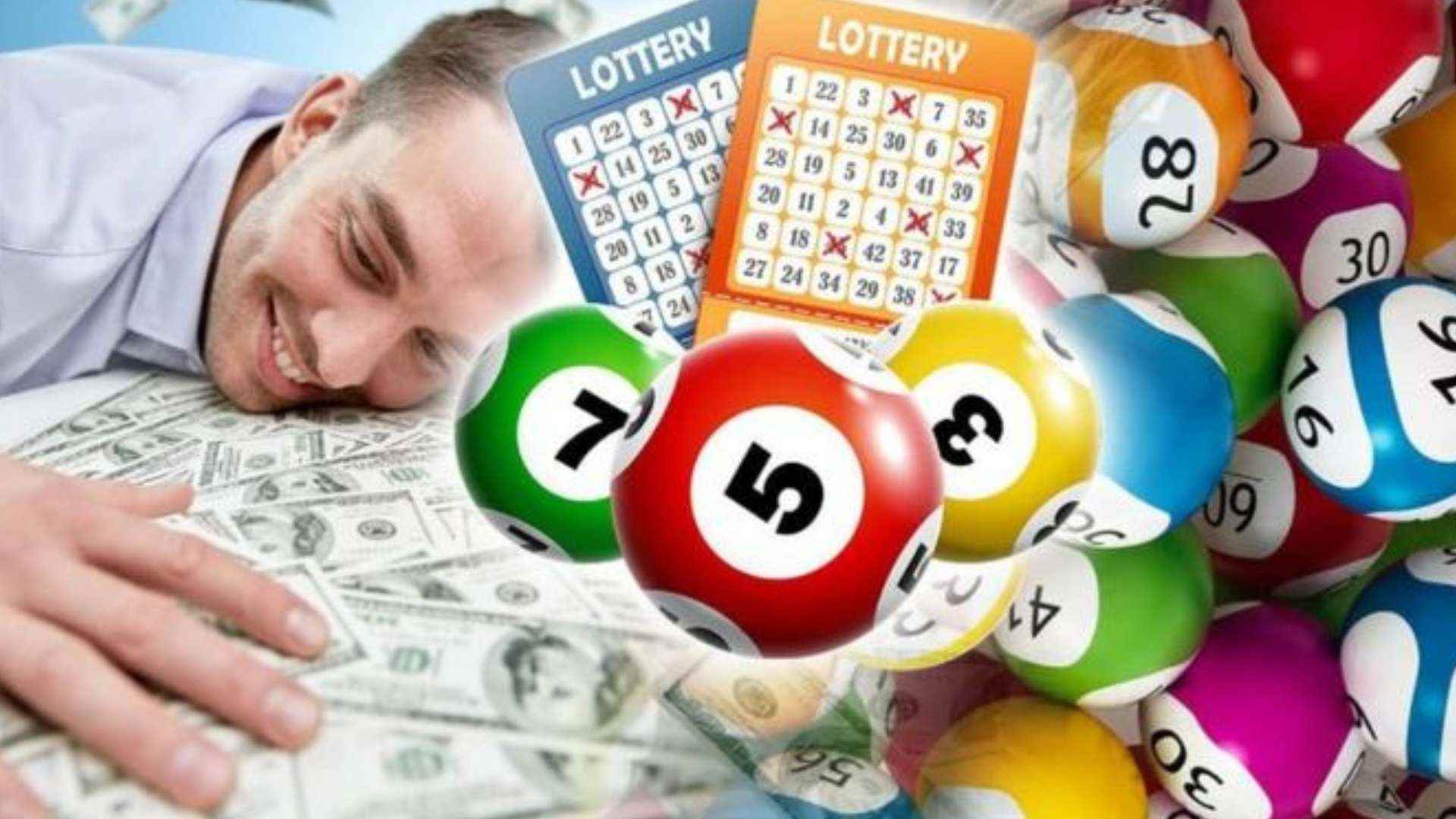
The primary reason randomized drawings work so well is the universal thrill of the unknown. When people gather, a shared moment of anticipation creates an instant bond among individuals who may not know each other. This collective experience breaks the ice quickly and keeps everyone focused on the central stage.
Furthermore, the emotional peak of seeing someone win a prize leaves a lasting positive impression of the entire gathering. Attendees are more likely to remember the occasion fondly when it includes moments of genuine surprise. This psychological impact makes promotional draws an invaluable asset for any event planner seeking long-term retention.
Designing Engaging Formats for Modern Audiences
Traditional paper ticket drawings are evolving into dynamic digital experiences that offer multiple touchpoints for audience engagement. Modern event organizers utilize digital screens, mobile apps, and interactive wheel spins to make the drawing process visually spectacular. These technological additions ensure that the build-up to the final selection is just as entertaining as the reward itself.
For instance, incorporating live countdowns or trivia milestones before unlocking the draw keeps the momentum high throughout the day. People who enjoy analyzing interactive systems often appreciate when platforms maintain absolute transparency in their operational outcomes. Exploring reliable digital frameworks like M88.com highlights how modern systems guarantee fairness to build long-term participant trust.
Tailoring Rewards to Match Event Themes
The success of any promotional giveaway relies heavily on selecting prizes that resonate deeply with the specific audience present. Instead of offering generic merchandise, successful organizers curate reward pools that offer authentic utility or unique digital experiences. Aligning the rewards with the core theme of the gathering ensures that every entry feels truly worthwhile for the participants.
Additionally, offering tiered prize categories helps maintain interest across a larger percentage of the crowd. While a grand prize captures initial attention, smaller secondary rewards keep the overall energy balanced and inclusive. This thoughtful distribution ensures that a wider audience leaves the venue feeling appreciated and entertained.
Maximizing Retention Through Structured Planning
Executing a seamless raffle requires careful logistical preparation to ensure everything runs fairly and transparently. Clear eligibility rules and simple entry methods prevent confusion and keep the atmosphere light and enjoyable. Planners must establish structured timelines so that the drawings complement the main program rather than disrupting the overall flow.
Ultimately, a well-integrated lucky draw serves as the perfect bridge between entertainment and community building. By focusing on transparency and audience interaction, you can easily turn any routine assembly into a highly celebrated milestone. Strategic planning transforms simple games of chance into powerful tools for lasting audience connection.
Fostering Community and Long-Term Loyalty
Beyond the immediate excitement of the day, these campaigns help build a sustainable sense of community among the attendees. People often share their winning moments on social media platforms, creating valuable organic exposure for the event organizers. This extended digital interaction keeps the conversation alive long after the physical gathering has concluded.
When participants see their peers winning transparently, it strengthens their overall connection to the organizing brand or group. They are much more likely to return for future iterations of the event, knowing they have a fair shot at rewards. Implementing these recurring engagement strategies turns temporary interactions into permanent relationships.